Did the Knights Templar survive in Portugal? The Order of Christ, 1319 — and the two documented facts that cut against the story
Why Portugal was different, and the reason it really was so
Elsewhere in Europe the Templars were arrested, tried and dispossessed. In Portugal they were not. Unlike elsewhere, the order here “suffered no persecution at the time of its dissolution… Many knights joined the new Order, with no arrests having been effected or recorded.” King Dinis hesitated over the papal order on confiscation and objected to handing the property to the Hospitallers, citing strategic concerns about his border fortifications — which is to say, he did not want the castles on his frontier belonging to somebody else.
And the legal route was open, in writing. Ad providam, the bull that gave Templar property to the Hospitallers, excepts by name the property “in the kingdoms and lands of… the illustrious kings of Castile, Aragon, Portugal and Majorca” (the suppression, in the documents). Nothing had to be smuggled. The exception is papal, public and Latin.
The new order, seven years later
Dinis instituted a new order under the name Christi Militia. The year he did so is given differently by different sources; the fixed point everybody agrees on is the papal recognition, which came from John XXII in Ad ea ex quibus on 14 March 1319 — seven years after the suppression, and under a different pope from the one who dissolved the Templars.
The new order was given the rule of the Knights of Calatrava and placed under a Cistercian abbot’s authority. A further bull in 1323 authorised the transfer of the Portuguese Templar estates to it, and Dinis granted the Order all the castles, properties and goods that had been Templar. The transfer, in one source’s phrase, was “seamless”.
The case for continuity
The strongest encyclopaedic statement of it comes from the Catholic Encyclopedia of the early twentieth century, and it is worth quoting exactly: the foundation of Dom Diniz “may fairly be said that… both in its personnel and in its territorial position a continuation in Portugal of the Order of the Temple”. Same castles. Many of the same men. No break in possession, because the pope had written the exception himself.
And the two documented facts that cut against it
Both of these belong in the main story rather than in a footnote.
- The first Master was not a Templar. He was Gil Martins, and he was the serving Master of the Order of Avis at the time. A Templar order continuing under a new name would not ordinarily be handed to the head of a different order.
- The first seat was not Tomar. It was the church of Santa Maria do Castelo at Castro Marim, in the Algarve — the far south, a long way from the Templar heartland. Tomar came later.
Neither fact settles anything on its own. An order can be new in its command structure and continuous in its membership and estates. But both are documented, and both sit awkwardly with the simplest version of the story (why the argument is the reason to come).
The scholarly position, quoted rather than summarised
That is a live disagreement among people who read the archives for a living, and what is on the record is this: a papal exception, a royal grant, a new order with an old order’s castles, a first Master from somewhere else, and a first seat in the wrong province. Then you can stand in the Charola and decide (the room in question).
When did the Order move to Tomar?
Nobody agrees. The years in circulation are 1356, 1357 and 1366, and UNESCO’s own listing gives two different dates in one document — one in its Brief Synthesis and another in its final paragraph. So the Order is best described as moving its headquarters to Tomar in the mid-fourteenth century.
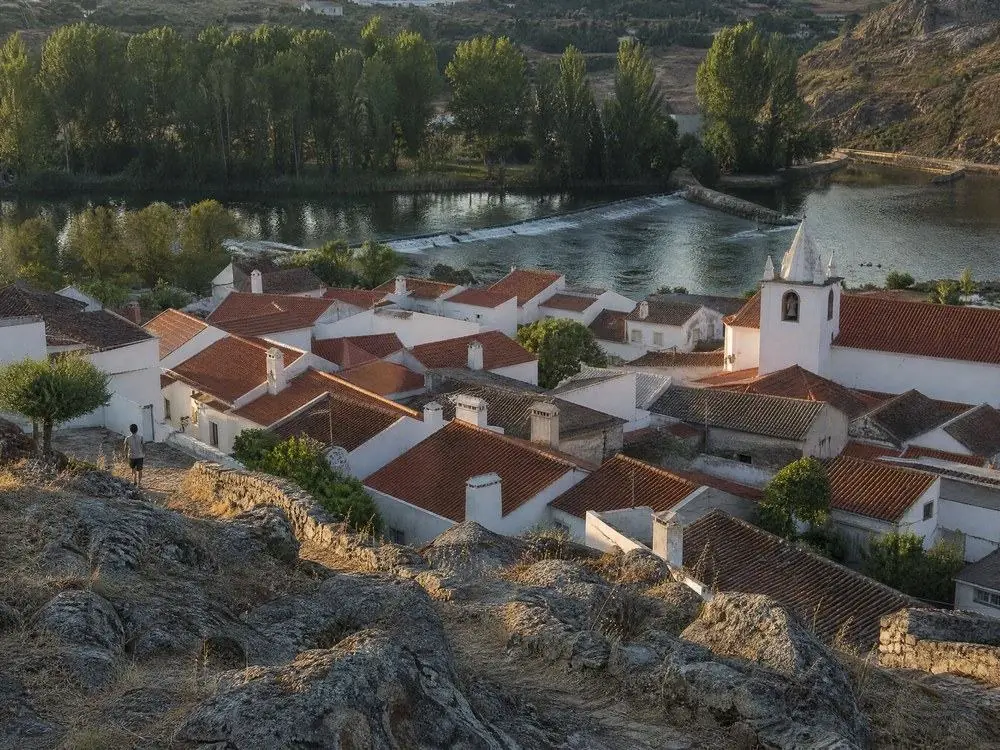
What the Order became
It got very rich and it went to sea. Henry the Navigator became the Order’s governor in 1417, just under a century after the papal recognition, and Britannica is blunt about what that meant: “The resources of the order were used to draw together skilled geographers and navigators and to equip a series of expeditions.” Another source calls the Order “an important source of funds for his ambitious plans”. It grew from about seventy commanderies to four hundred and fifty-four by the 1520s, including new ones in conquered African territory under King Manuel.
Two cautions.
- Henry’s title needs a qualifier. He is constantly called Grand Master. The technically correct title is governor and administrator, and there is a documented reason for it: he “held much of the kingdom’s land” and so could not take a vow of poverty. He was too rich to be a Master of a religious order. Sources also disagree about the year — 1417 is the one used here, and others give a date three years later — and one reference work credits him with five years of office after the date Britannica gives for his death.
- There was no Templar treasure. The Order’s wealth came from estates transferred by papal bull and royal grant, on the record, in Latin. No hoard surviving the suppression and reaching Portugal is documented, and the papal exception in Ad providam means there was nothing to smuggle in the first place.
The same goes for the “School of Sagres”. Modern historians hold the navigation school Henry supposedly founded at Sagres to be a misconception: there was no centre of navigation science and no organised navigational centre, and the myth was created in the eighteenth century. He did employ cartographers. He did not run an academy.
Do the Knights Templar still exist?
Not as the medieval order. Vox in excelso forbade anyone to “enter the order, or receive or wear its habit, or presume to behave as a Templar”, and that is where the institution ends. What exists in Portugal afterwards is the Order of Christ, holding the same castles, and the argument about how much of the Temple came with it is the one above. Organisations calling themselves Templar today are a separate question, and the Masonic strand of it has its own page (answered, with sources).
Samantha, reviewing a private walk here, describes what a good guide actually does with all this: she “learnt a lot about the order of Christ, the kings and major figures as well as how the monks lived in those days”. That listing is 4.7 on 12 ratings. The building makes the argument better than any page can, but somebody has to point at the joins (how long that takes).
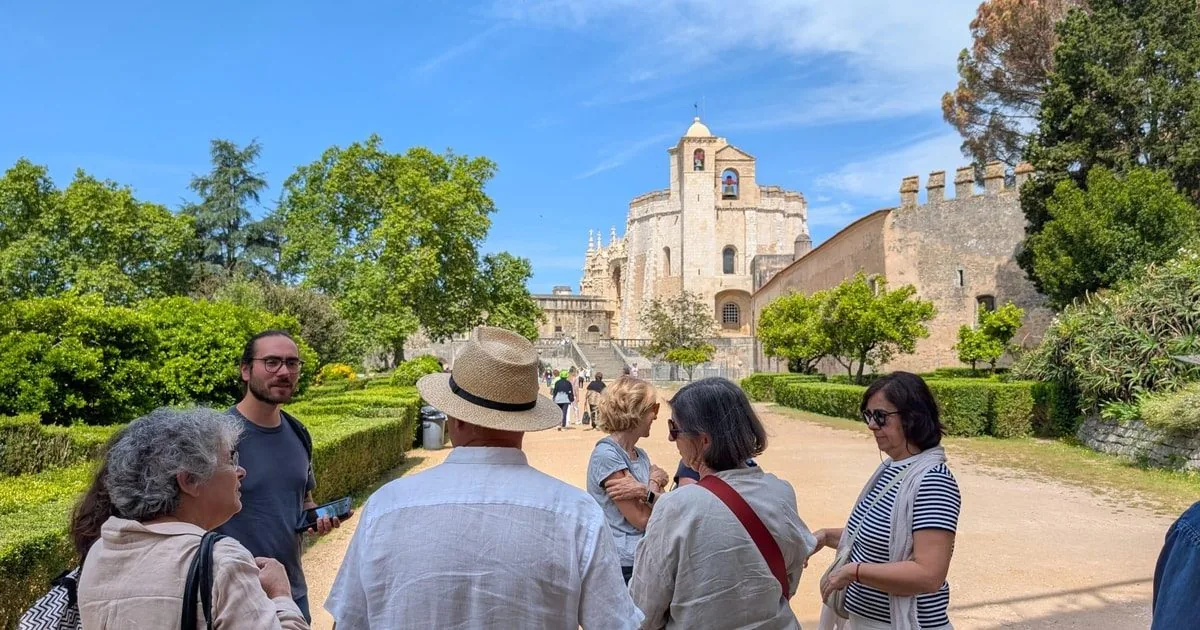 The whole day, in Tomar
Tomar and the Templars Convent of Christ: A Historical Tale
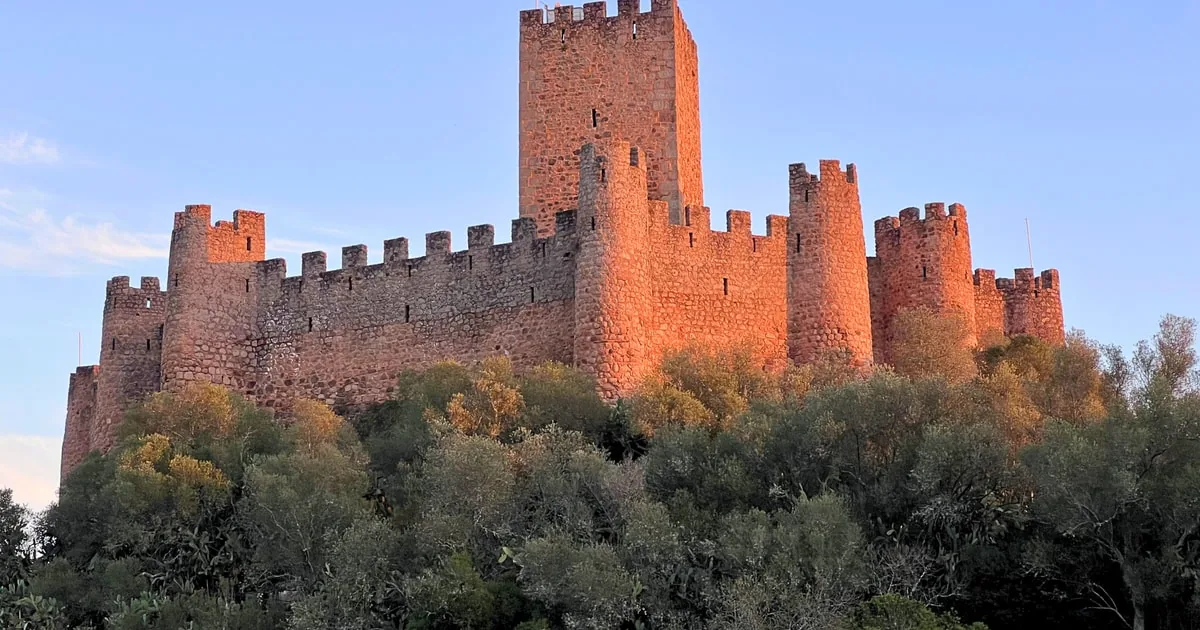 Templar-specialist guide
Lisbon: Knights Templar Tour - Almourol, Tomar and Convent of Christ
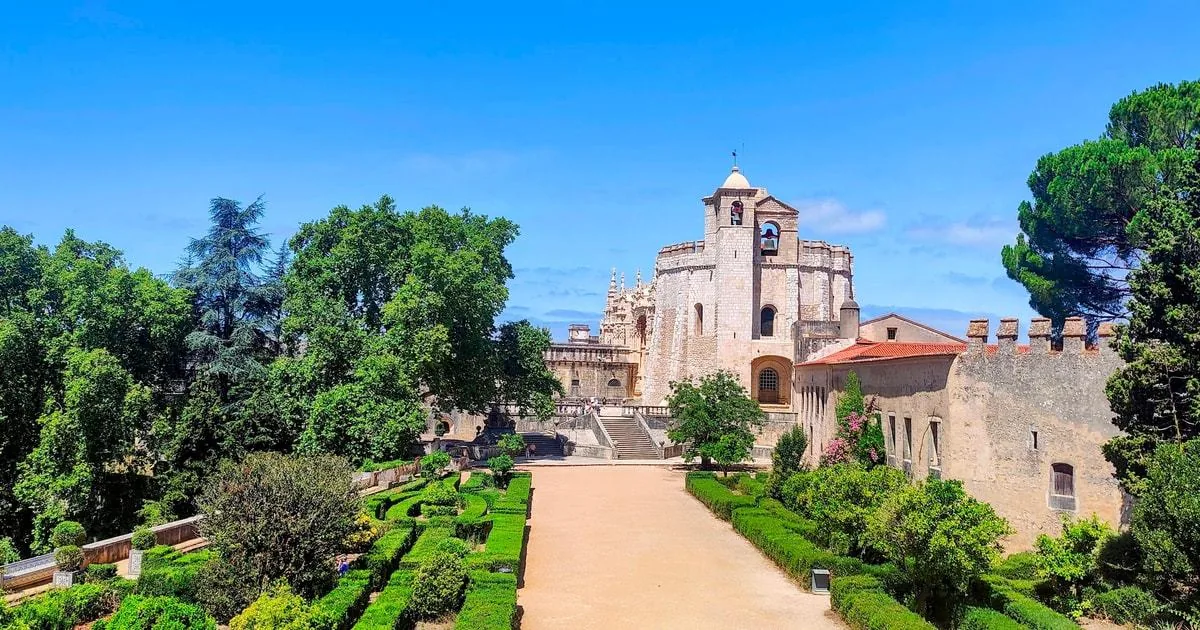 Convent and synagogue
Walking Tomar: Templar Secrets & Convent of Christ Included
Next: the suppression, in the papal documents, the cross the Order used, and the Freemasonry claim, examined.
Frequently asked questions
What happened to the Templars in Portugal?
They were not persecuted. No arrests are recorded, King Dinis objected to handing their castles to the Hospitallers, and the pope had expressly excepted Portuguese Templar property from that transfer. A new order, the Order of Christ, was recognised by John XXII on 14 March 1319 and took the estates.
Was the Order of Christ just the Templars renamed?
That is exactly the contested question. Historians differ: some hold that the Order of Christ was essentially the Templars under a new name, others that it was a mostly original formation. Two documented facts cut against the simple version — the first Master was the serving Master of Avis, and the first seat was Castro Marim.
Do the Knights Templar still exist today?
Not the medieval order. Vox in excelso forbade anyone to enter it, wear its habit or behave as a Templar. In Portugal the Order of Christ took over the same castles from 1319, and how much of the Temple continued inside it is a live scholarly disagreement rather than a settled fact.
Who founded the Order of Christ?
King Dinis of Portugal created it, and Pope John XXII recognised it in the bull Ad ea ex quibus on 14 March 1319. Its first Master was Gil Martins, who was at the time Master of the Order of Avis, and its first seat was Castro Marim in the Algarve rather than Tomar. A further bull in 1323 transferred the estates.
Did Templar treasure fund the Portuguese Discoveries?
No documented treasure did. What is documented is that the Order of Christ’s revenues helped equip Henry the Navigator’s expeditions, and that those revenues came from estates transferred by papal bull and royal grant. The papal exception meant there was nothing to hide in the first place.
Was Henry the Navigator Grand Master of the Order of Christ?
He led it from 1417, but the technically correct title is governor and administrator, and there is a documented reason: he held so much of the kingdom’s land that he could not take a vow of poverty. Sources disagree about the year, and one credits him with five years of office after his death.