How many cloisters does the Convento de Cristo have? Eight are named, seven is the figure often repeated, and the operator gives no official total
The eight, named
The Portuguese cultural encyclopaedia states it flatly: “O conjunto final do convento possui oito claustros construídos nas várias campanhas de obras” — the final ensemble has eight cloisters, built across the various building campaigns. It then names them. The Portuguese Wikipedia names eight as well, with attributions, and English Wikipedia gives “a total of eight cloisters, built in the 15th and 16th centuries”.
| Cloister | When | Who |
|---|---|---|
| Claustro do Cemitério | 15th century | UNESCO credits Infante Dom Henrique; Wikipédia PT gives Fernão Gonçalves |
| Claustro da Lavagem | 15th century | Henry the Navigator’s period |
| Claustro de Santa Bárbara | 16th century | — |
| Claustro da Hospedaria | 16th century | João de Castilho’s period |
| Claustro da Micha | 16th century | João de Castilho’s period |
| Claustro dos Corvos | 16th century | João de Castilho’s period |
| Claustro de D. João III, or dos Filipes | Begun 1557 | Diogo de Torralva, completed by Filippo Terzi |
| Claustro das Necessidades, or das Necessárias | 17th century | — |
Eight rows, from two source lists that agree on every entry and differ only on whether the last is Necessidades or Necessárias. Dates are given to the century because the sources disagree about the years.
Why you keep reading “seven”
None of the main sources gives it. Not UNESCO, not the operator, not the Portuguese heritage authority, not the town council, not either Wikipedia, not the cultural encyclopaedia. Seven appears to be a number that circulates without a clear origin (the same problem, with a window count).
The two smaller numbers, and why they are not rival totals
You will also meet five and two in official texts, and both are real figures about real things. Neither is a total.
- Five is the operator’s. Museus e Monumentos writes that under King João III the new monastic complex would have its quarters “organizadas em torno de cinco claustros” — organised around five cloisters. That is a description of one campaign of building, not of the site.
- Two is the heritage authority’s, describing the construction of two cloisters during Henry the Navigator’s phase. Same problem: a phase count read as a total.
And one more fact: the operator does not publish a total number of cloisters at all. There is no official answer to the question this page is named after. Eight is what the sources that actually count them arrive at, so eight is the figure given here, with its sources.
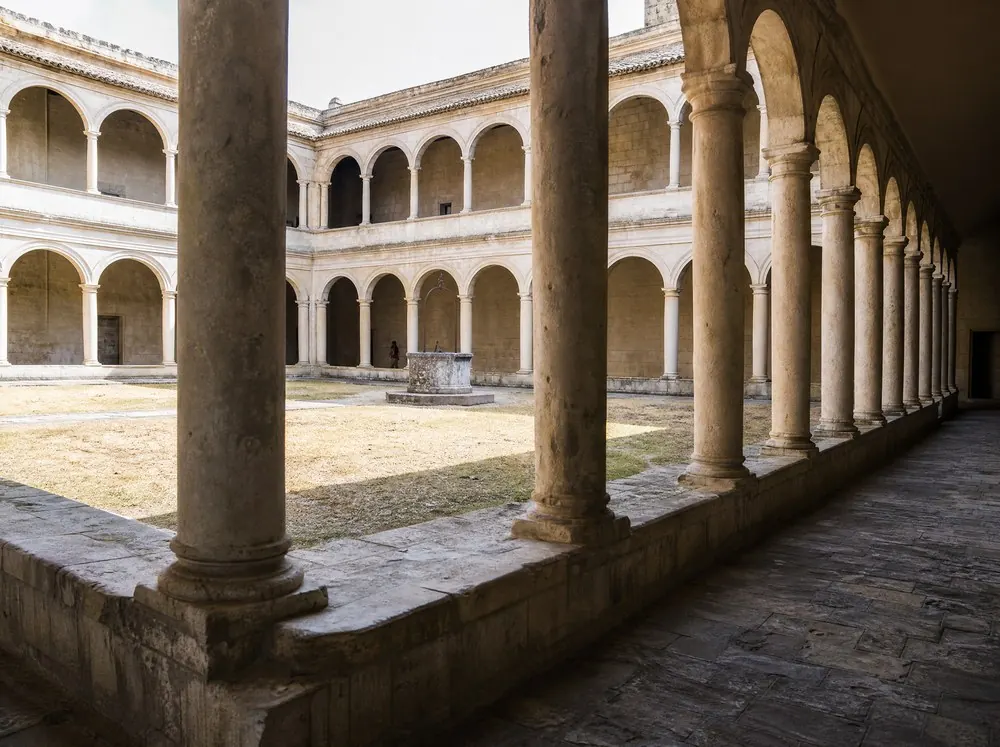
The one everyone photographs
The Claustro de D. João III, also called the cloister of the Philips, is the great classicising courtyard and the reason most people’s photographs of this building look like Italy. UNESCO describes facades “set into rhythm by a Serlian or Palladian ordering of two stories of Corinthian and Tuscan columns” and credits Diogo de Torralva with modifying it; other sources have Filippo Terzi finishing it later in the sixteenth century.
The sources agree on that much and disagree about when it started. One gives 1557, which is the date used here; another has Torralva replacing an earlier cloister by João de Castilho a couple of decades before that.What matters on the ground is that this is one of the parts of the site most often affected by the conservation work, and that the list of what is shut changes, so if you are travelling for one particular courtyard, ask before you go (the current position).
Walking eight cloisters without losing your bearings
They are on different levels and they were built by different people for different purposes over three centuries, which is why the plan can be confusing at first. There is a washing cloister and a cemetery cloister and a cloister named after a loaf of bread. If you take one thing from this page onto the site with you, take this: the small dark ones are the working monastery and the big light one is the display. Both are the same building (how much time that takes).
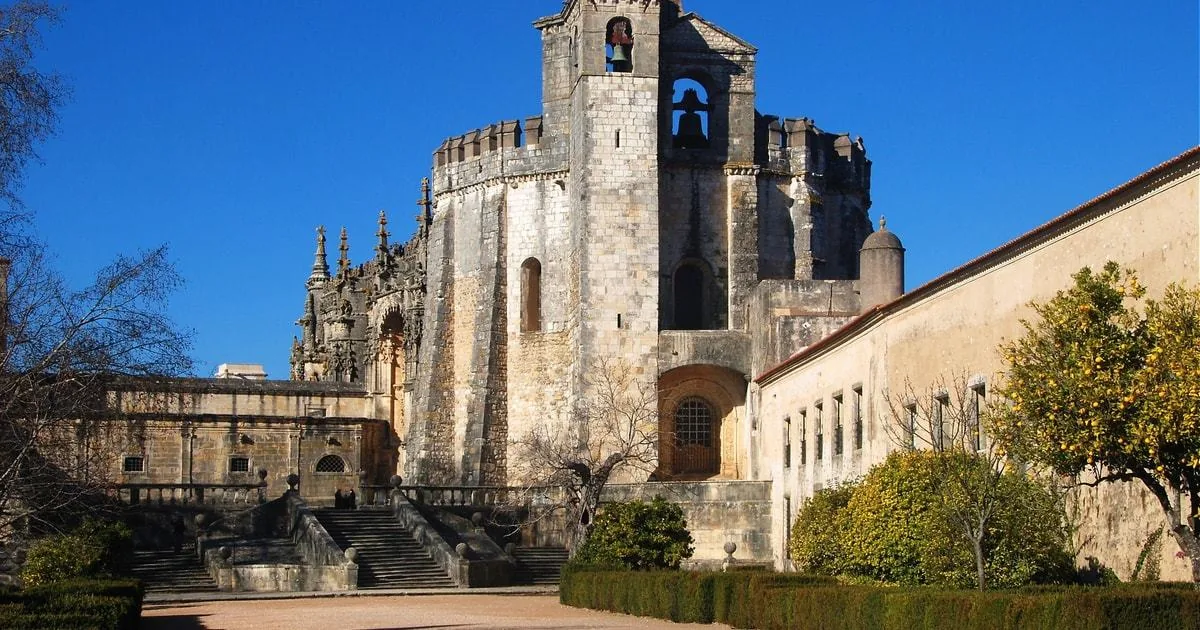 Cheapest with a guide
Tomar: Walking Tour to Convent of Christ Small Group & Tickets
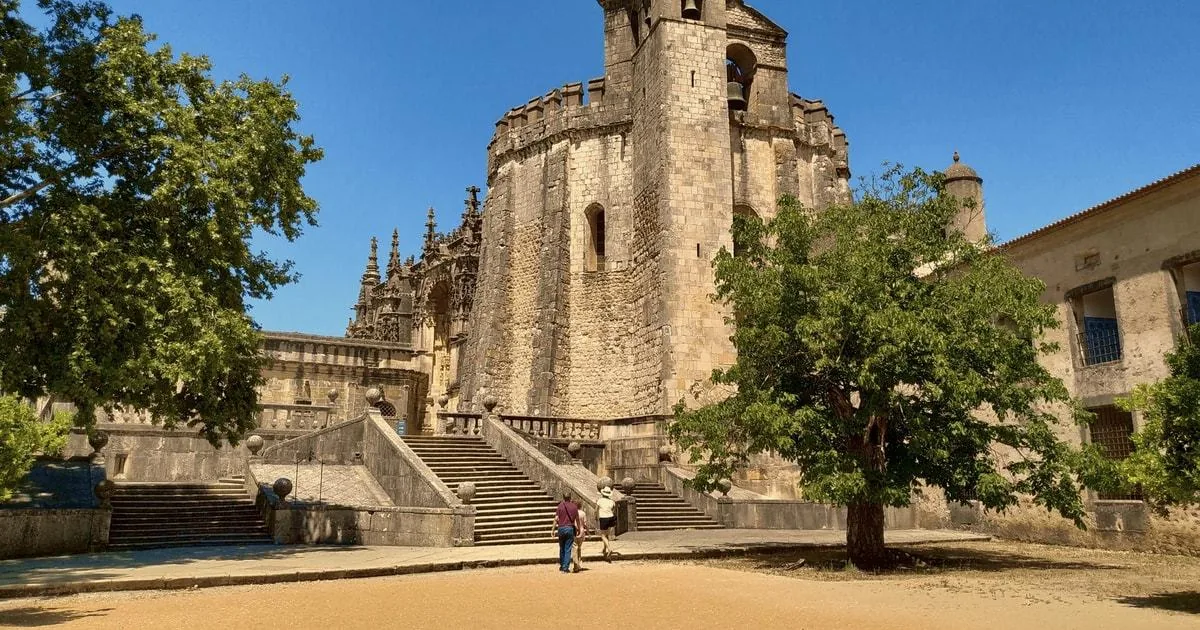 Priced per party
Tomar: Knight's Templar Castle and Convent of Christ Tour
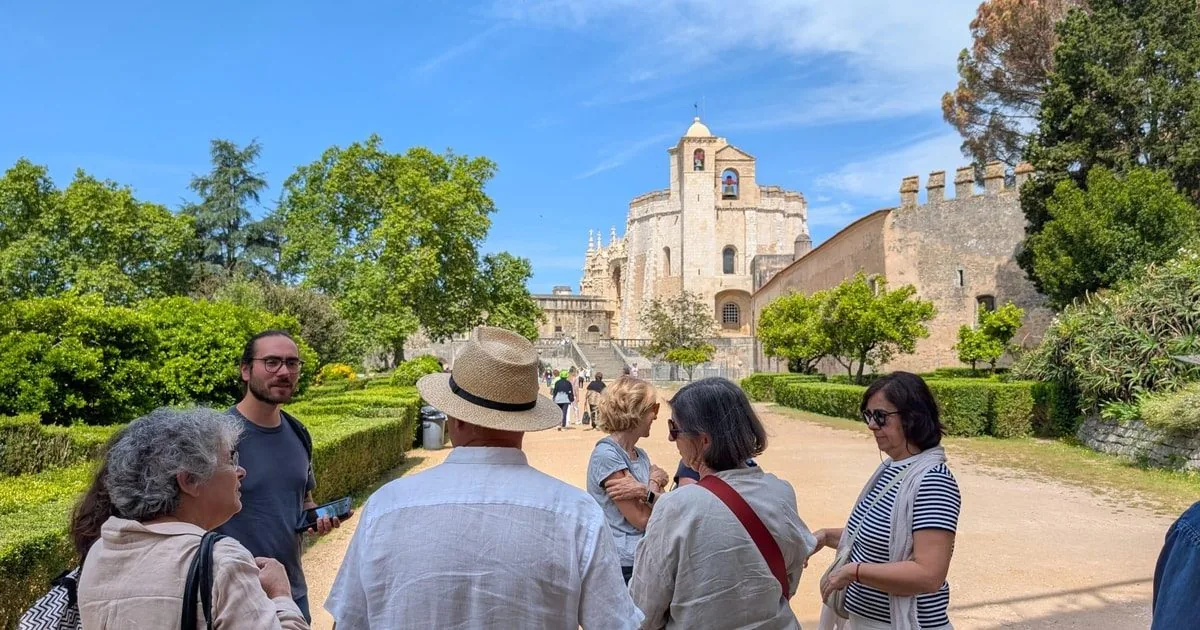 The whole day, in Tomar
Tomar and the Templars Convent of Christ: A Historical Tale
Next: the round church at the centre, the window on the outside wall, and where the water came from.
Frequently asked questions
How many cloisters does the Convent of Christ have?
Eight. Two independent sources enumerate eight by name and their lists agree; a third gives eight as a total. Seven is not among the totals given, and the operator, Museus e Monumentos de Portugal, publishes no total number at all.
Why do some sites say the Convento de Cristo has seven cloisters?
None of the main sources gives seven — UNESCO, the operator, the heritage authority, the town council, both Wikipedias, the cultural encyclopaedia. Seven appears to be a figure that circulates without an origin.
What are the eight cloisters called?
Cemitério, Lavagem, Santa Bárbara, Hospedaria, Micha, Corvos, D. João III (also called dos Filipes) and Necessidades, which one source spells Necessárias. They run from the fifteenth century to the seventeenth.
Which is the main cloister at Tomar?
The Claustro de D. João III, also called the cloister of the Philips: the great classicising courtyard with two storeys of Corinthian and Tuscan columns, begun by Diogo de Torralva in 1557 and completed by Filippo Terzi. It is also one of the parts most often affected by conservation work, so check before travelling for it.
Why do official texts mention five cloisters?
Because that five is a phase count. The operator describes the monastic complex built under King João III as organised around five cloisters, which is a statement about one campaign of building rather than about the whole site. The heritage authority’s two is the same kind of figure.